
Safe And Fun Family-Friendly Garden Designs
Gardens are more than a patch of grass these days, but rather an extension of the home; a space that the whole family can enjoy. As we approach the warmer weather, families are considering how they use their gardens and how these spaces can be improved to please old and young alike.
Family-friendly gardens are all about creating safe, engaging environments that the whole family can enjoy. Specifically, many families are looking to create a child-friendly space that encourages outdoor play while still looking stunning for the adults to enjoy.
As a leading garden design company, Creative Gardens & Driveways understands that every family is unique and their landscapes should reflect this. Over the years, we have worked with all kinds of families to create their ideal outdoor space.
In this post, we are sharing tips for family-friendly garden design and highlighting the best features to include for a fun, safe, and accessible garden your kids will love.
Key Principles for Family-Friendly Garden Design
Creating a successful family garden requires careful and thoughtful planning to ensure the space works for everyone. It means more than just adding a climbing frame or play equipment to your existing garden, which is why working with a professional landscaping company like us can be beneficial.
To learn more about what we do and how we can help, see our post Benefits of a Design and Build Company For Your Garden Project.
Understanding these key principles of family-friendly garden design will ensure your garden is both beautiful and functional for people of all ages:
1. Durability is Essential
Children and pets can be tough on outdoor spaces, so durability is a key principle of family-friendly garden design. Delicate surfaces and high-maintenance features often don’t survive long against scooters, footballs, and muddy paws, which is why for all our family-friendly garden designs, we recommend durable, non-slip surfaces.
Surfaces like textured porcelain paving or natural stone are ideal for family gardens because they withstand heavy foot traffic and are remarkably easy to clean, making them perfect for busy families.
2. Clear Sight Lines
Safety is always the top priority in family-friendly garden designs, as you need to be able to keep your children safe and have an eye on them at all times.
A well-designed family garden ensures you can keep an eye on your children from multiple vantage points. Whether you’re relaxing on the patio or working in the kitchen, clear sight lines mean you can supervise play without hovering. This gives children the freedom to explore while giving parents peace of mind.
3. Adaptability for Growing Families
Children’s needs change rapidly, and your garden needs to be able to keep up to remain a safe, fun space for the whole family. The sandpit you install for toddlers might need to become a vegetable patch or seating area in just a few years, which is why flexibility is crucial in family-friendly garden designs.
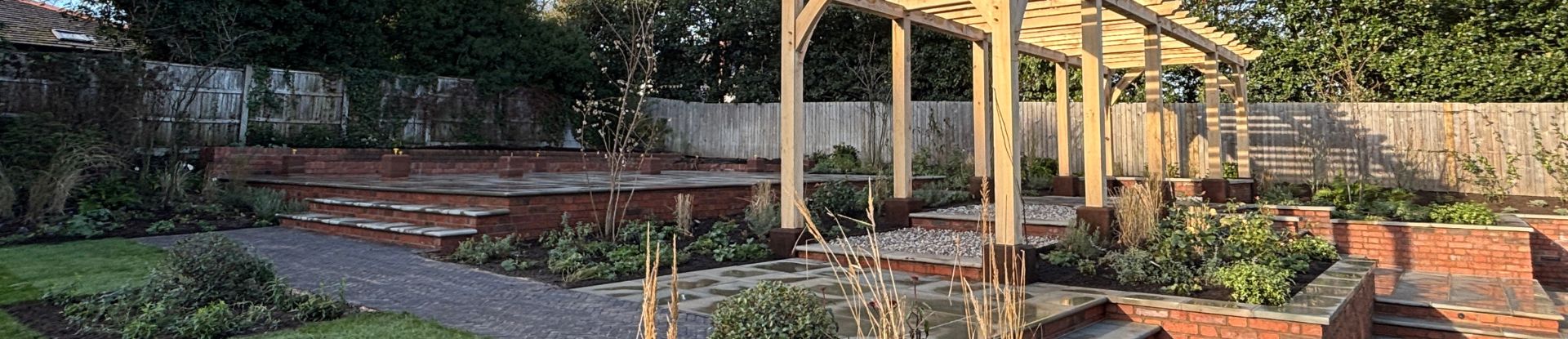
This is why zoning can be so beneficial in family gardens, as it allows them to evolve with your changing needs. For example, a sturdy pergola can be used to shelter a paddling pool for toddlers now and host a dining table for teenagers later. By focusing on sturdy features like this, you do not have to worry about a complete redesign as your family grows, but instead rely on thoughtful adjustments to make it suitable for your current needs.
4. Natural Shading and Shelter
While we all love Cheshire sunshine, young skin needs protection. Shade and shelter are vital elements of any family-friendly garden design for this reason, and can be incorporated into your landscape through various features.
For example, strategic tree planting or well-placed timber pergolas create cool spots for play during summer. Garden rooms and shelters can be installed to protect from the elements throughout the seasons, making your family garden suitable for year-round use.
Essential Zones In Family-Friendly Garden Design
To prevent your garden from becoming a chaotic toy obstacle course, we recommend zoning. This design method separates the garden into distinct areas for different activities, including individual spaces tailored for children of all ages.
There are two key zones that every family-friendly garden design can benefit from. These zones can be adapted as your children grow, so your garden evolves with your family without needing a complete overhaul.
The Active Play Zone
Having a dedicated play area for children is a great way to create a family-friendly garden design. This will be the primary space for play and development, allowing your kids to roam free from the comfort of their back garden.
It should be a safe, accessible, and visible area that is durable and easily customised through play equipment and structures. For safe, family-friendly garden design in Cheshire, a flat, open area is essential. Consider surfaces such as:
- Quality Turf: Provides a natural feel and softens falls
- Artificial Grass: Offers a mud-free, all-weather solution that’s always ready for play
- Play Bark or Rubber Mulch: Perfect around climbing frames to cushion tumbles
- Bark chippings: A natural, soft surface ideal for play areas and safe for young kids.
This flat area can be adorned with a range of play equipment and activities, based on the age of your children and their interests. For example, goal posts for budding footballers or climbing frames.
When planning your active play zone, invest in versatile, age-appropriate equipment that can adapt to your children’s changing needs. You can get your children involved in choosing and setting up play equipment to make the space truly theirs and foster their engagement in outdoor play and development.
The Relaxation Space
When designing a family-friendly garden, you don’t want to forget about yourself. Parents deserve a retreat, too.
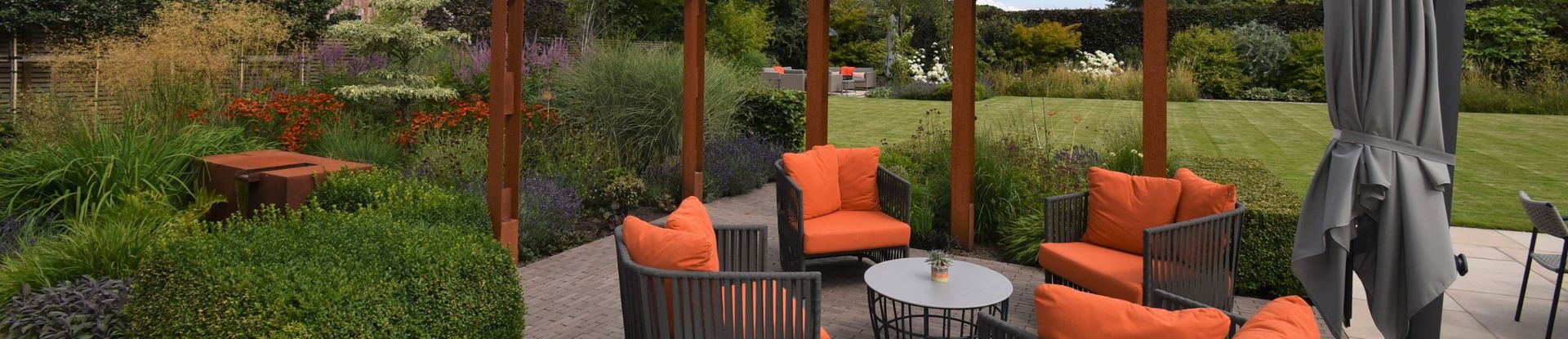
This is why a relaxation space is so important in your family garden. You can transform your patio or decking into a tranquil space for adults with features such as:
- Seating: Create a comfortable, relaxing environment to unwind with a glass of wine in the evening or to sit during the day while keeping an eye on the kids. Built-in bench seating can double as storage for outdoor toys, keeping your patio clutter-free while maximising space.
- Dining Areas: A sturdy outdoor dining table creates the perfect spot for family meals and entertaining. A summer house can also provide a flexible space for dining or play, and can be repurposed over time as a workroom, garden studio, or additional storage.
- Fire Pits: If you’d like a fire pit, opt for a built-in design with a safety surround or a heavy lid to keep little fingers safe when not in use.
For more cosy, outdoor living ideas, see our post How to Create a Cosy Outdoor Space This Winter.
Plant Recommendations for Family Gardens
Soft landscaping is a key element of any garden design, but when creating a family-friendly garden design, plant selection requires extra care.
Some common garden favourites can be toxic or have sharp thorns, making them hazardous for young families.
When creating family-friendly gardens, focus on plants that are non-toxic, robust, and engage the senses. Including edible plants and features that attract wildlife gives children opportunities to discover nature, observe animals and insects, and learn through hands-on experiences.
Working with professional garden landscapers means you’ll receive curated planting schemes tailored to your family’s needs, and we are here to help.
Safe & Sensory Choices
These plants are safe and suitable for family-friendly gardens. They look great, have unique textures, and can adorn all corners of the family-friendly garden design without concern:
- Lavender: This British garden classic smells wonderful, attracts beneficial pollinators, and is very hardy, requiring minimal maintenance throughout the year.
- Lamb’s Ear (Stachys byzantina): Children love the incredibly soft, fuzzy leaves of this tactile plant.
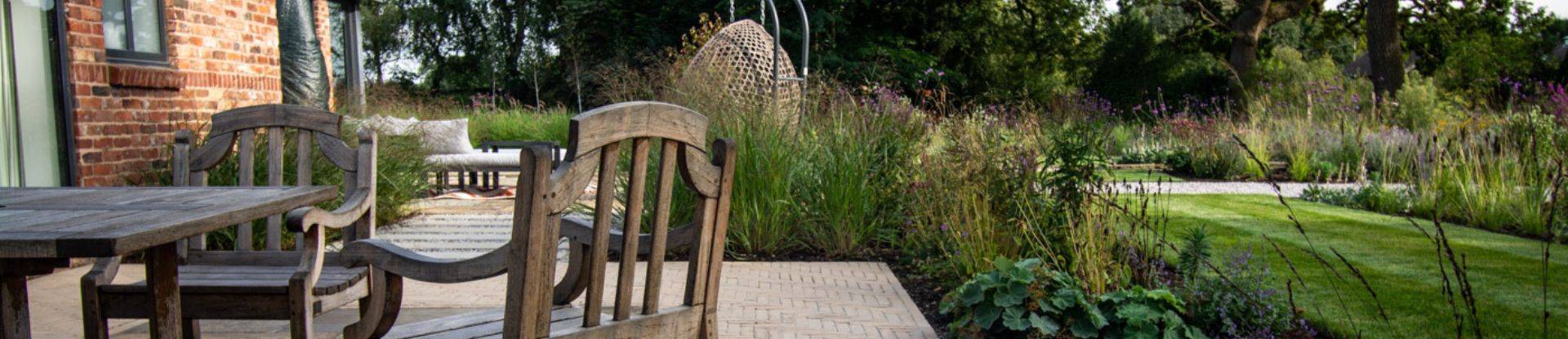
- Ornamental Grasses: These add beautiful texture and movement whilst being robust enough to withstand stray footballs.
Plants to Avoid
Steer clear of toxic species like Foxgloves, Monkshood, and Laburnum in a family garden. Also, avoid thorny shrubs like Berberis or aggressive Roses near play areas where children might brush against them.
Low-Maintenance Planting for Busy Parents
We know you don’t have hours to spend on garden maintenance when managing a busy family. To create a garden that remains attractive year-round with minimal effort, consider:
- Geranium Rozanne: A hardy ground cover that suppresses weeds and flowers for months on end.
- Evergreen Shrubs: Hebes or Pittosporum provide year-round structure with minimal fuss.
- Mulched Borders: A thick layer of bark mulch around plants reduces weeding and helps retain moisture.
For more low-maintenance landscaping ideas, see our post Designing a Low-Maintenance Garden: Tips for Busy Homeowners.
Conclusion
Your garden has the potential to be your family’s favourite room with family-friendly garden design. From clever zoning to safe planting, you can create a landscape that the whole family will enjoy and that will grow alongside your needs.
Whether you need a complete redesign to accommodate a new arrival or want to upgrade a tired lawn into a multi-functional play space, Creative Gardens & Driveways is here to help. We are a leading landscaping company that specialises in garden design across Cheshire and the North West. Let us help you build a backdrop for your family’s best memories.
Contact Us Today
Contact us today to learn more about our services or to request a quote.
FAQs
How much does a family garden redesign cost?
Costs vary significantly based on size, materials, and features. However, investing in professional landscaping adds value to your property and ensures work is compliant with safety standards. We provide transparent quotes tailored to your budget and requirements.
Are water features safe for young children?
Traditional open ponds pose a risk, but you don’t have to avoid water entirely. We recommend self-contained features that use water to disappear into an underground reservoir, such as drilled stone spheres or bubbling fountains, as these provide the sensory benefits of water without the risk of drowning.
How can I design spaces that encourage children to play and socialise with friends?
Create open areas with flexible seating or play zones where children can gather naturally. Features like sandpits, lawn games areas, or picnic tables make it easy for kids to socialise and enjoy the garden together.